FEDHASA Cape Board Member and Director for Hospitality in the Commercial Development Department at the University of Cape Town
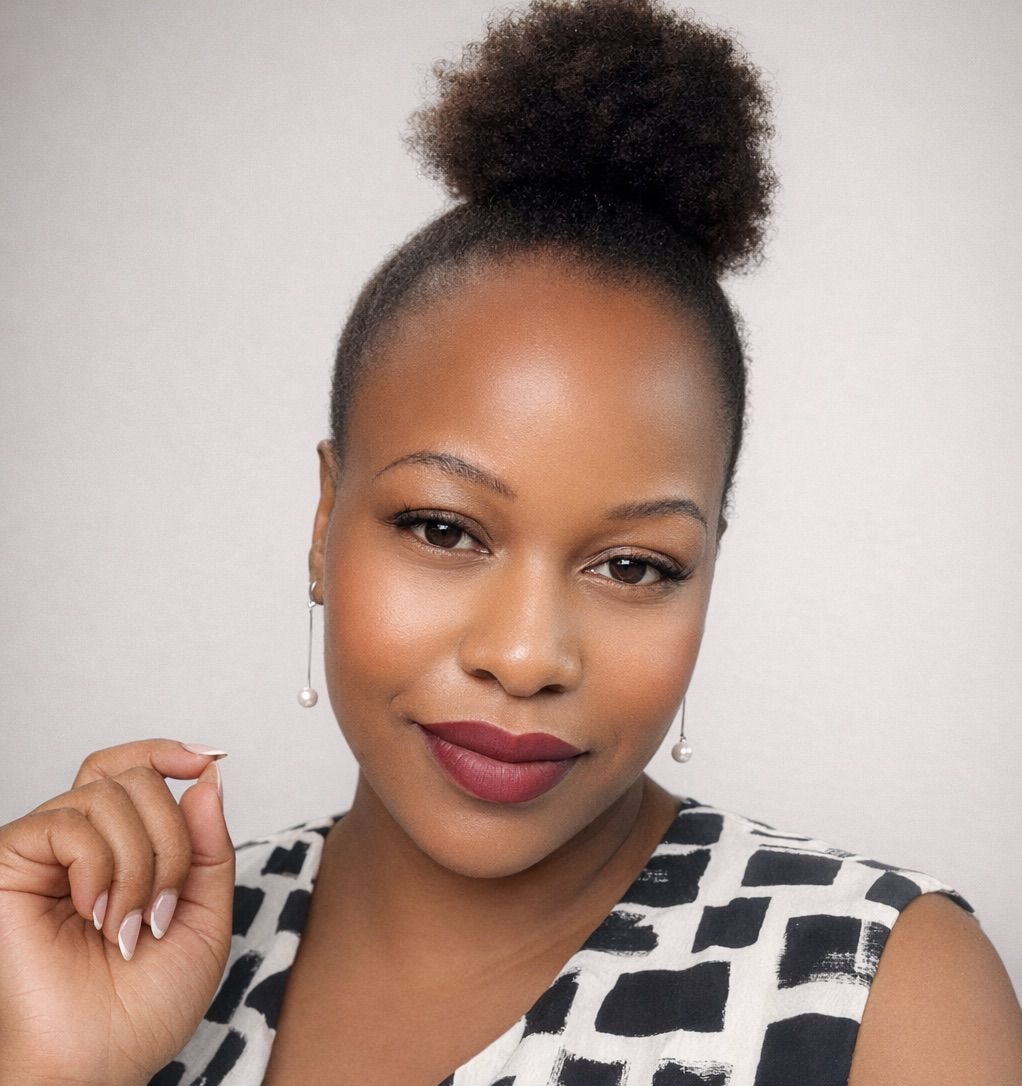
Thobile Dlamini has spent 17 years in hospitality bringing people together and creating experiences that matter. As Director for Hospitality in the Commercial Development Department at the University of Cape Town and a FEDHASA Cape Board Member, she operates at the intersection of academia, operations, and industry leadership. Earlier this month, she was recognised as one of only eight winners in the Sport, Tourism, and Hospitality category at the prestigious Mail & Guardian 200 Young South Africans awards, selected from over 3,000 nominations. This recognition reflects not just what she has achieved, but what she represents: a Black woman in senior leadership who understands that visibility changes what other women believe is possible for themselves. This Women’s Month, she shares the experience and conviction behind that responsibility.
1. What first drew you to hospitality and tourism, and what’s kept you in it all these years?
Hospitality found me before I fully understood that it could become a career. What first drew me in was the opportunity to create experiences – to make people feel welcomed and cared for. I soon realised, however, that hospitality is as much about people and leadership as it is about service. There is something rewarding about bringing a team together, solving complex operational challenges, and seeing the immediate impact of your work on both guests and employees.
What has kept me here for 17 years is that no two days are the same, and there is always an opportunity to learn and influence someone else’s journey. Hospitality has taken me from a young woman given her first management opportunity to a director responsible for a diverse portfolio. It has demanded resilience, adaptability, and humanity, and those are qualities I continue to value.
2. Women are still underrepresented in senior roles across the industry. What do you think businesses should be doing to change that?
Representation will not change through intention alone. It requires deliberate action.
Businesses need to identify talented women early, give them meaningful operational exposure, place them in roles with real decision-making authority and P&L accountability, and provide sponsorship – not only mentorship. Mentors advise you; sponsors speak your name in rooms you have not yet entered.
Organisations must also examine the systems that quietly disadvantage women, such as inflexible work practices, unequal access to high-visibility assignments, pay disparities, and assumptions about leadership potential. We should set measurable targets, hold leaders accountable for progress, and create environments in which women do not have to choose between ambition and the other parts of their lives.
Most importantly, women must be appointed not only to support functions, but to the roles from which chief executives and industry leaders are traditionally developed.
3. Looking back on your career, what’s the achievement you’re proudest of, not just for the result, but for the difference it made?
The achievement I am proudest of is seeing people I have led grow in confidence and take on greater responsibility. A business result matters, but its value is multiplied when it is achieved by building capability that remains long after you leave.
As a Black woman in leadership, I am also deeply conscious that my presence can make possibility visible to someone else. The first time I saw a Black woman serving as an operations director, I understood that the role was possible for me too. If my career allows another young woman to look at a director’s position and think, “I can do that,” then that is a legacy of which I am immensely proud.
I may arrive in a room as one woman, but I stand on the shoulders of many, and I have a responsibility to leave the door open behind me.
4. What advice would you give a young woman just starting out who wants to end up in a leadership role one day?
Become excellent at the work, but do not wait for excellence alone to make you visible.
Be curious about the whole business: understand the guest, the people, the numbers, and how decisions are made. Ask for stretch assignments, seek operational exposure, and learn to communicate the value you create. Leadership is not only about working hard; it is about building judgement, courage, and the ability to bring others with you.
Find mentors but also look for sponsors who will advocate for you. Do not disqualify yourself because you do not yet meet every requirement. Many capabilities are built simply by doing.
At the same time, resist the pressure to imitate someone else’s leadership style. Your empathy and lived experience can become your greatest leadership advantage.
Finally, remember that a career rarely develops along a straight line. Take the lesson from every role, keep moving, and do not allow a temporary setback to become a permanent definition of what is possible for you.
5. What makes you feel positive about the next generation of women coming into tourism and hospitality?
The next generation gives me hope because they are entering the industry with a stronger sense of voice and possibility. They are willing to question practices that no longer serve people, and they understand that technology, sustainability, inclusion, and commercial performance are not separate conversations. They are also more open about the kind of workplaces and leaders they expect.
What excites me most is their refusal to accept that leadership must look or sound one particular way. Young women are building careers across operations, entrepreneurship, technology, food and beverage, tourism development, and the experience economy.
Our responsibility is not to ask them to navigate the same barriers we did, but to give them access, honest guidance, and room to lead, and then allow their ideas to transform the industry for the better.