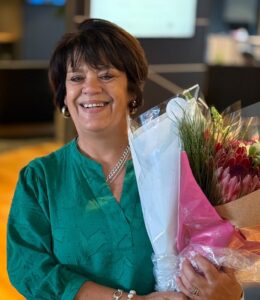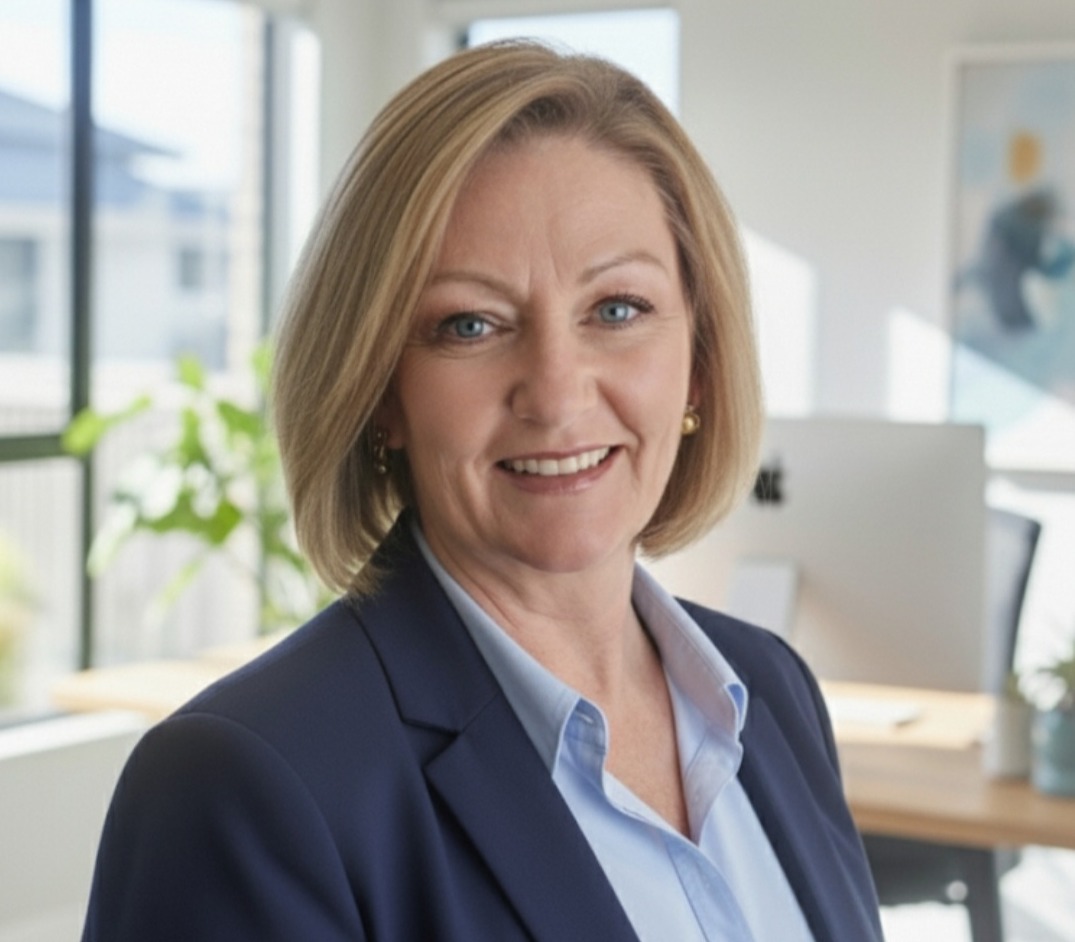
Vice Chairperson for FEDHASA KZN and Eastern Cape
Mandy Massey’s path into tourism began in the world of interior design and property development, where she discovered early that great spaces mean nothing without the people who bring them to life. Today, as Vice Chairperson of FEDHASA KZN and Eastern Cape, she brings that same people-first philosophy to some of the industry’s most important conversations. Known for her belief that collaboration will always outperform competition, Mandy has spent her career connecting people around shared purpose and helping organisations choose progress over politics. This Women’s Month, she shares what that journey has taught her, and why she believes the next generation of women in tourism is poised to transform leadership entirely.
1. What first drew you to hospitality and tourism, and what’s kept you in it all these years?
My journey into tourism wasn’t really a conventional one. I came from a background in interior design and property development. Looking back, tourism and hospitality were naturally entwined in my work.
I was planning and designing spaces around people – thinking about how they would arrive, how they would use the space, what would make them love it, what would keep them coming back and, ultimately, what kind of experience they would have there.
What changed was the scale. I went from thinking about the success of an individual property to understanding how that success contributes to the growth of the businesses around it, the people it employs and the communities that benefit from it. Playing a part in developing the destinations around these properties and ensuring their sustainability became a new driving force for me.
And witnessing the impact this has on the ground inspires me, fuels my fire and keeps me here.
2. Women are still underrepresented in senior roles across the industry. What do you think businesses should be doing to change that?
I believe we need to stop talking about empowering women and start creating real pathways for them.
For me, that means identifying potential early, mentoring intentionally and giving women meaningful leadership opportunities before they’re expected to be “ready.” I’ve seen how much people grow when they’re given the opportunity to step up, rather than having to prove they can already do the job before they’re given the chance.
Recognising that leadership comes in different styles is crucial. Some of the strongest leaders I’ve worked with lead through collaboration, listening and bringing people together rather than having the loudest voice in the room.
I’ve seen the value that different perspectives bring to a boardroom table. They challenge the way we think and ultimately lead to better decisions. Hospitality is an industry built on people, and I believe our leadership should reflect the diversity of the people we serve.
3. Looking back on your career, what’s the achievement you’re proudest of, not just for the result, but for the difference it made?
Throughout my work, I’ve seen how easily organisations can become divided by different agendas, mandates or perspectives. If I look back at what I’m proudest of, it’s being able to bring people who don’t always agree together around a shared purpose and get them working towards the same outcome.
I’ve seen what becomes possible when people stop worrying about who owns an idea or gets the credit and start focusing on what we’re actually trying to achieve. Collaboration achieves far more than competition, and when we get that right, everyone benefits – the industry, our destinations, our businesses and, ultimately, our communities.
Knowing that I’ve played a part in creating that kind of collaboration and seeing the difference it can make on the ground, is something I’m incredibly proud of.
4. What advice would you give a young woman just starting out who wants to end up in a leadership role one day.
My simple answer: Don’t chase the title. Chase the opportunity to make a difference. Seek common ground and remember that the strongest leaders are those who can bring people together around a shared vision.
Most importantly, choose unity over opinion. It has become one of the guiding principles in both my career and my life, because real progress begins when people stop trying to be right and start working together towards what is right.
5. What makes you feel positive about the next generation of women coming into tourism and hospitality?
What makes me positive is the energy and confidence I see in the next generation of women coming into our industry. They’re innovative, digitally confident and passionate about making tourism more inclusive and sustainable.
They’re not afraid to ask difficult questions, challenge the way things have always been done or embrace new technology, while still understanding that tourism is ultimately about people and authentic experiences.
What excites me most is their willingness to bring fresh thinking to the table. They don’t necessarily accept that something should continue to be done a certain way simply because that’s how it’s always been done.
I think our responsibility now is to give them the space and opportunity to bring those ideas forward. If we do that, I’m genuinely excited to see what the next generation of women will bring to tourism and hospitality.