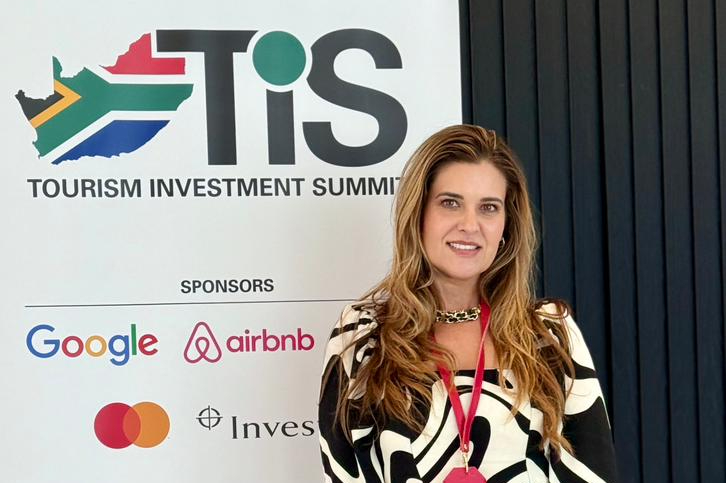
Chairperson of FEDHASA Cape, Lee-Anne Singer, attended the first-ever South African Tourism Investment Summit (SATIS) in Cape Town. This landmark event was hosted in partnership with UN Tourism and formed part of South Africa’s G20 legacy projects.
SATIS brought together government ministers, including Minister De Lille, global investors, international tourism bodies including a delegation from Saudi Arabia, African hospitality leaders, and companies.
Lee-Anne’s biggest takeaway? The energy and focus around rebuilding and reimagining South African tourism is real, and hospitality sits at the heart of it. From major projects and new investment-ready lodges to powerful partnerships with local communities, the hospitality industry has a leading role to play.
Here’s what FEDHASA members should know:
1. Tourism is officially centre stage.
Government and global partners agreed: tourism is one of the fastest and most inclusive ways to create jobs and grow South Africa’s economy, especially in rural and coastal areas. SATIS confirmed strong political support and real policy action to help our sector grow.
2. Public-private partnerships just got a lot easier.
The National Treasury has announced new updates to the PPP system – starting from June 2025. These include:
- Faster approvals for tourism-related projects
- Flexibility to use blended finance, crowdfunding, or Design-Build-Operate models
- Clearer guidelines for hospitality businesses to co-manage public assets like resorts, heritage sites, national park camps, and trails
This is a big win for FEDHASA members wanting to scale or invest without shouldering full development costs.
3. Help is coming to train the next generation.
UN Tourism, in collaboration with South Africa’s Department of Tourism, announced:
- 100 fully funded tourism and hospitality scholarships for South African students, focused on real-world needs like guest services, culinary skills, guiding, event planning, and digital marketing.
- A new national Tourism Skills Forecast to help businesses and government plan ahead for staffing needs over the next 5–10 years.
- Encouragement for private companies to partner with SETAs (Sector Education & Training Authorities) and offer internships, workplace experience, and mentorship.
If you’re looking to fill roles in your hotel, guesthouse, restaurant, or activity offering – these programmes will help build the talent pool.