FEDHASA leadership convened a productive and forward-looking Board Meeting on Thursday, 26 February 2026, at the iconic uShaka Marine World, bringing together the regional executive under the guidance of Chairperson Brett Tungay to deliberate on key strategic priorities shaping the future of the hospitality sector.
One of the important discussions centred on the evolution of the regional identity, with the Board supporting a transition from FEDHASA East Coast to FEDHASA KwaZulu-Natal & Eastern Cape. This development reflects the growing footprint and influence of the organisation across both provinces, ensuring stronger regional representation and greater alignment with national FEDHASA objectives.
The Board also engaged in meaningful discussions around organisational restructuring, including strengthening administrative capacity through a more structured office and staffing framework. This initiative is aimed at enhancing operational efficiency, improving member services, and supporting the growing portfolio of industry initiatives.
Strategic regional focus formed a key pillar of the meeting. The Board highlighted the need to deepen engagement across critical tourism corridors including the South Coast, North Coast and the Drakensberg, recognising these areas as essential drivers of tourism growth and hospitality investment.
A strong emphasis was also placed on expanding stakeholder collaboration, particularly with the private sector, tourism bodies and key industry partners. The Board reaffirmed that meaningful partnerships and active member participation remain essential in strengthening the collective voice of hospitality.
In addition, discussions focused on growing membership participation and industry buy-in, ensuring that FEDHASA continues to serve as a powerful advocacy platform representing the interests of hotels, restaurants, tourism operators and allied hospitality businesses.
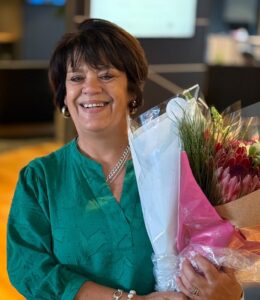
Jaya Naidoo, General Manager of FEDHASA KwaZulu-Natal & Eastern Cape, reflected that the Board meeting reaffirmed the organisation’s commitment to strategic growth, stronger regional representation and deeper engagement with industry stakeholders.
The meeting concluded with renewed momentum and a shared vision to position FEDHASA as the leading voice of hospitality across KwaZulu-Natal and the Eastern Cape, championing sustainable tourism development and meaningful industry collaboration.