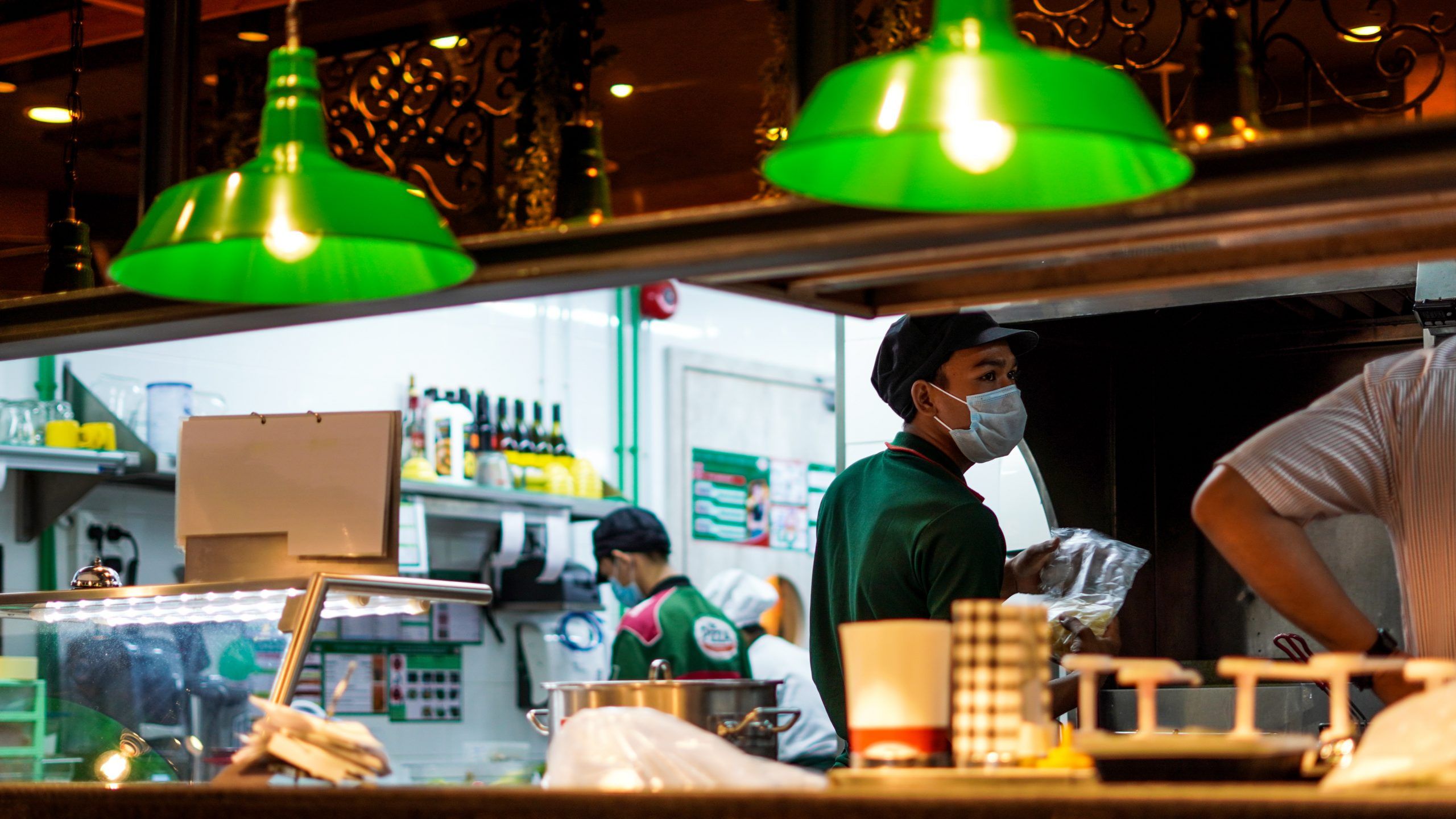
The recently gazetted Collective Agreement for the Bargaining Council for Fast Food, Restaurant, Catering and Allied Trades, which has been extended to non-parties, will come into effect on 18 January 2021.
The scope of the collective agreement will be countrywide with the exception of those catering establishments that fall within Bargaining Council for the Food Retail, Restaurant, Catering and Allied Trades (Johannesburg and surrounds) and the Bargaining Council for the Restaurant, Catering and Allied Trades (Pretoria and surrounds).
The agreement will therefore cover:
- The Province of Western Cape
- The Province of Eastern Cape
- The Province of Northern Cape
- The Province of Free State
- The Province of Kwa Zulu Natal
- The Province of North West excluding the Magisterial Districts of Brits and Rustenburg
- The Province of Mpumalanga excluding the Magisterial District of Witbank
- The Limpopo Province excluding the Magisterial District of Warmbaths and the Magisterial Districts of Heidelburg, Nigel, Vereeniging, Vanderbijlpark, Oberholzer, Meyerton and Carletonville.
- Excluding the Magisterial Districts of Alberton, Benoni, Boksburg, Brakpan, Delmas, Germiston, Johannesburg, Kempton Park, Krugersdorp, Randburg, Randfontein, Roodepoort, Springs, and Westonaria.
- Excluding the Magisterial District of Pretoria, Brits, Bronkhorstspruit, Cullinan, Rustenburg, Warmbaths, Witbank and Wonderboom.
The collective agreement will impact establishments such as Tearooms, Restaurants, Catering, Coffee Shops, Pubs, Taverns, Roadhouses, Cafes, Snack Bars, Fast Food Outlets, Convenience Stores, Industrial and Commercial Caterers, Function Caterers, amongst others and will result in:
- A marginal increase in the minimum hourly rate currently in terms of the National Minimum Wage, with a CPI plus 1.5% increase added from 1 May 2021 (and indeed for several years going forward annually until 2025).
- A tiered system of minimum wages.
- A compulsory monthly membership contribution to the Council.
- A compulsory contribution to a pre-selected Provident Fund (you cannot use your own one).
- A compulsory contribution to a pre-selected Funeral Fund (you cannot use your own one).
- A compulsory annual bonus that will need to be paid.
The extension to non-parties will also come into effect 18 January and will extend to all the types of establishments listed above in the geographical locations listed above. Click here to view the Gazette.
The collective agreement will not apply to the commercial accommodation sector unless their catering facility(s) have been outsourced to a third independent party. We are advised, however, that it is quite possible that they may look to recruit employers and employees in the accommodation sector at some time in future.
FEDHASA had previously opposed the Bargaining Council proposal and sent correspondence to the Labour Department to this effect. Despite the objection and without prior warning, the extension was gazetted on Friday, 8 January, which could not have come at a worse time for the sector as it deals with the ongoing negative impact of COVID restrictions on operations.
FEDHASA has reached out to the Labour Department and written an urgent request to Minister Nxesi to delay the implementation of the agreement so there can be prior consultation with the industry at this unprecedented financially precarious time for the hospitality industry. FEDHASA has received acknowledgement of the communication and is hopeful this matter can be resolved this week, prior to the implementation date of the 18th January.
During these times of crisis, it would appear morally wrong to indulge in any court actions that could preferably be sorted out by consultation, mediation and discussion. However, if this cannot be achieved, the industry may be forced to seek an urgent legal interdict on behalf of our members before the implementation date.
We will continue to keep you updated with our progress, the status of this piece of legislation, and how it impacts your business.